About Us
A strategic national programme under President Bola Ahmed Tinubu's Renewed Hope Agenda — transforming Nigeria's transportation energy mix for a cleaner, more prosperous future.
Our Story
The Presidential Initiative on Compressed Natural Gas and Electric Vehicles (Pi-CNG & EV) was established as a direct response to Nigeria's dual challenge: the economic burden of high fuel costs on ordinary Nigerians and the environmental imperative to reduce transport-sector emissions.
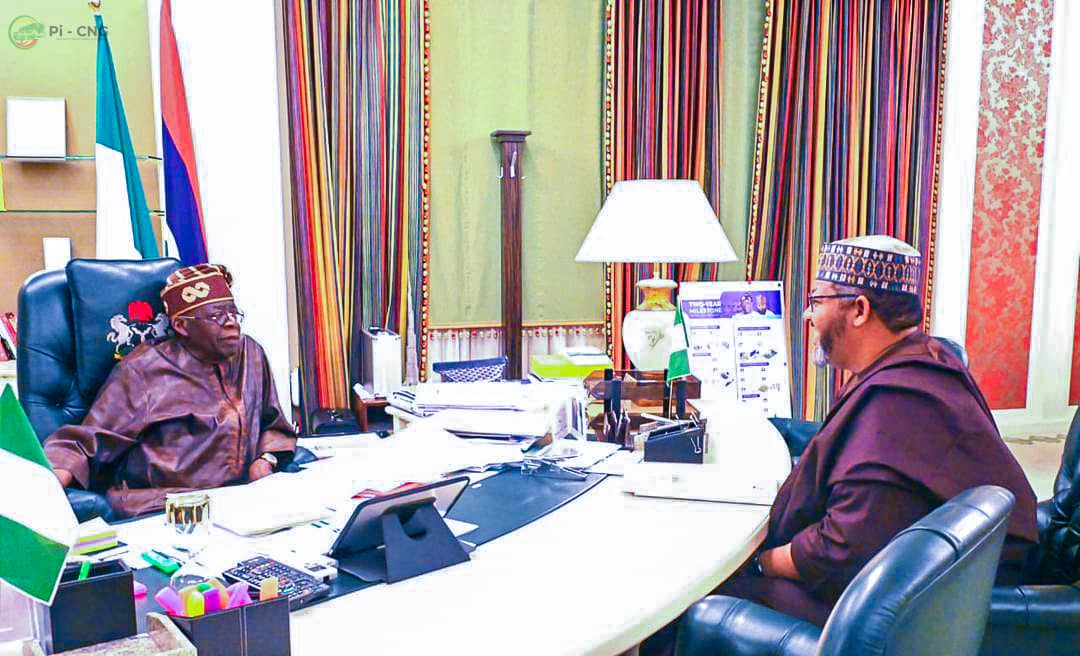
Launched under President Bola Ahmed Tinubu's Renewed Hope Agenda and coordinated through the Office of the Special Adviser to the President on Policy & Coordination — Central Results Delivery Coordination Unit (CRDCU) — Pi-CNG & EV is mandated to fundamentally restructure how Nigeria powers its transportation network. In March 2026, President Tinubu formally expanded the initiative's mandate to encompass Electric Vehicles, cementing Pi-CNG & EV's role as Nigeria's comprehensive clean transport authority.
Nigeria possesses some of the world's largest natural gas reserves. For decades, this resource remained largely untapped as a domestic transport fuel. Pi-CNG & EV was created to change that — converting Nigeria's gas abundance and emerging EV potential into an economic and environmental dividend for every Nigerian.
Our Guiding Principles
Every programme, every initiative, every investment is measured against tangible outcomes — vehicles converted, jobs created, stations built, lives improved. We are accountable to the Nigerian people.
Clean energy transition must deliver benefits at every level — from the commercial bus driver to the private investor, from the technical trainee to the urban commuter. We build for everyone.
Government sets the framework; the private sector drives the scale. We actively mobilise private capital, expertise, and infrastructure to build a commercially sustainable clean energy ecosystem.
From the NGVMS real-time fleet monitoring system to the MyCNG App, we leverage technology to maximise efficiency, transparency, and accessibility across the entire CNG and EV value chain.
CNG and EV adoption reduces Nigeria's carbon footprint and improves urban air quality. Our programmes are explicitly designed to contribute to Nigeria's climate commitments and global sustainability goals.
We operate with full accountability to the Presidency, to the Nigerian people, and to our international partners. Every key result is documented, reported, and publicly communicated.
Inception till Date
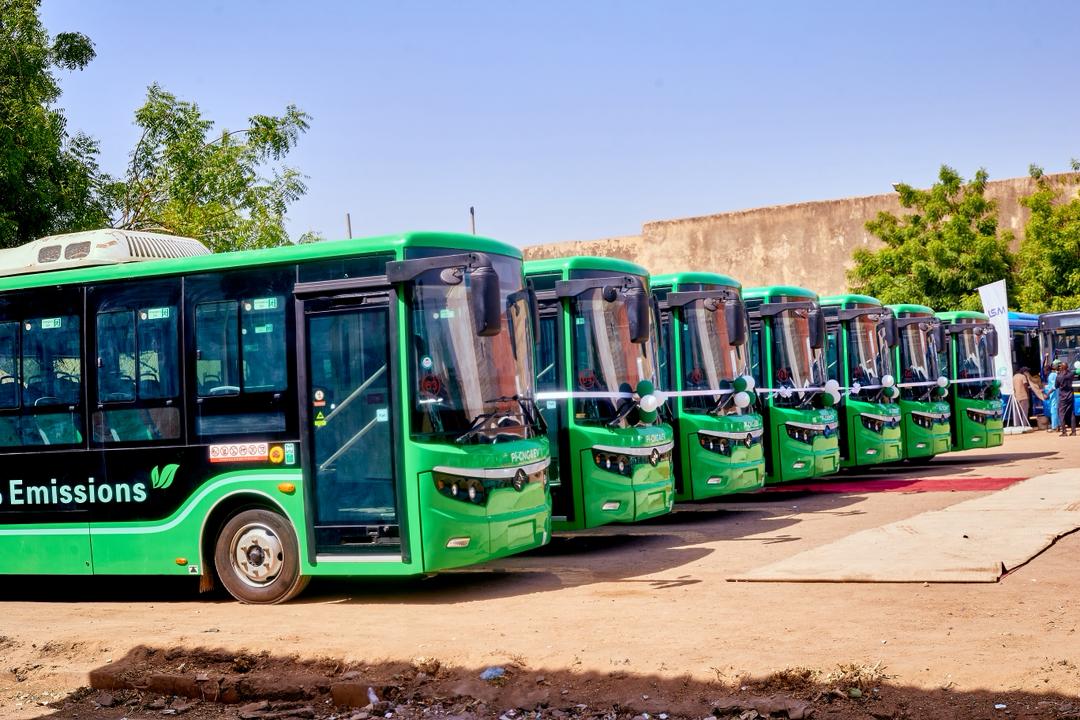
Pi-CNG & EV launched 40 electric buses, signalling Nigeria's decisive expansion into electric vehicle mass transit and full clean energy diversification.
The National Gas Vehicle Monitoring System pilot was launched, providing real-time IoT-enabled oversight of Nigeria's growing CNG vehicle and refuelling network.
Thousands of CNG-powered buses and tricycles deployed into Nigeria's public and commercial transport networks, reducing fuel costs for millions of Nigerians.
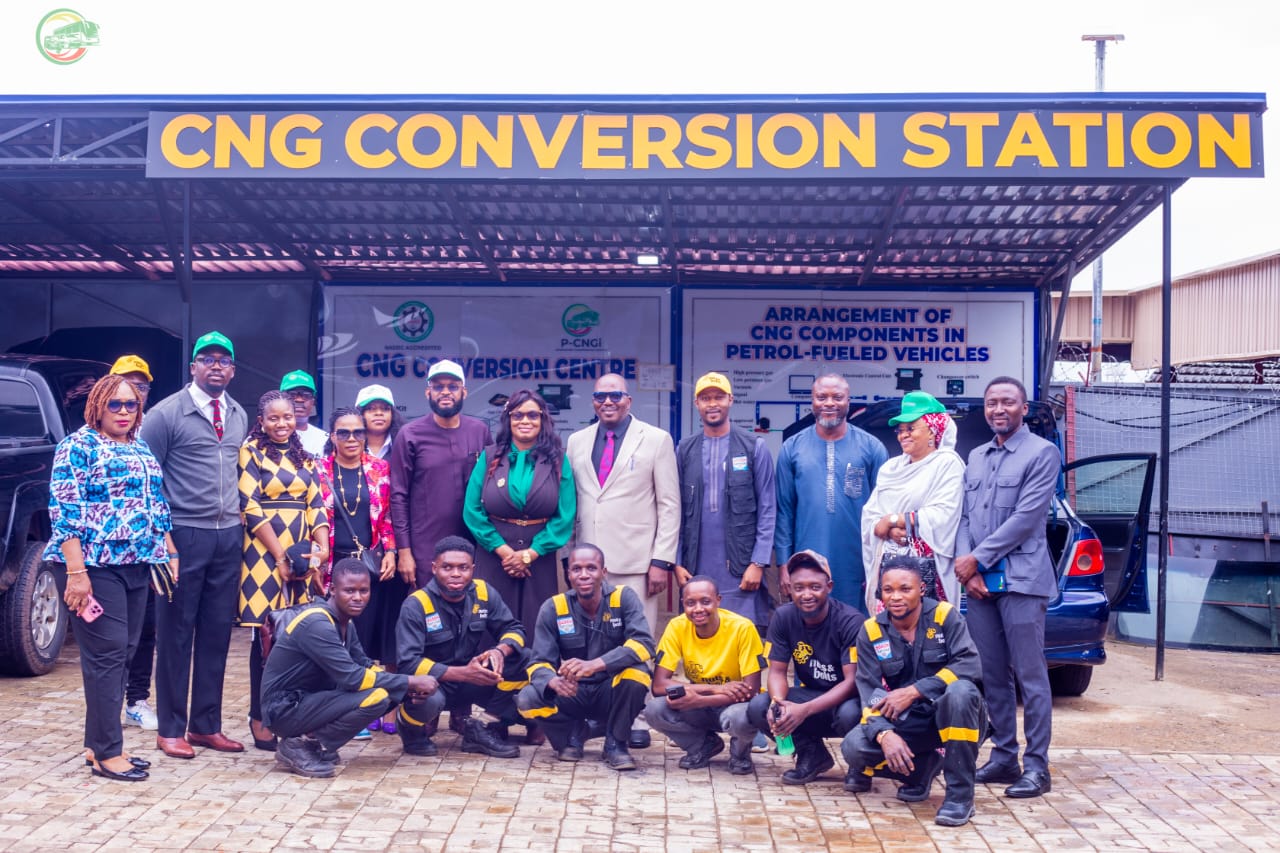
The CNG Conversion Programme expanded to 23 states, driving a near 3,000% increase in Nigeria's vehicle conversion capacity with 337+ certified centres now operational.
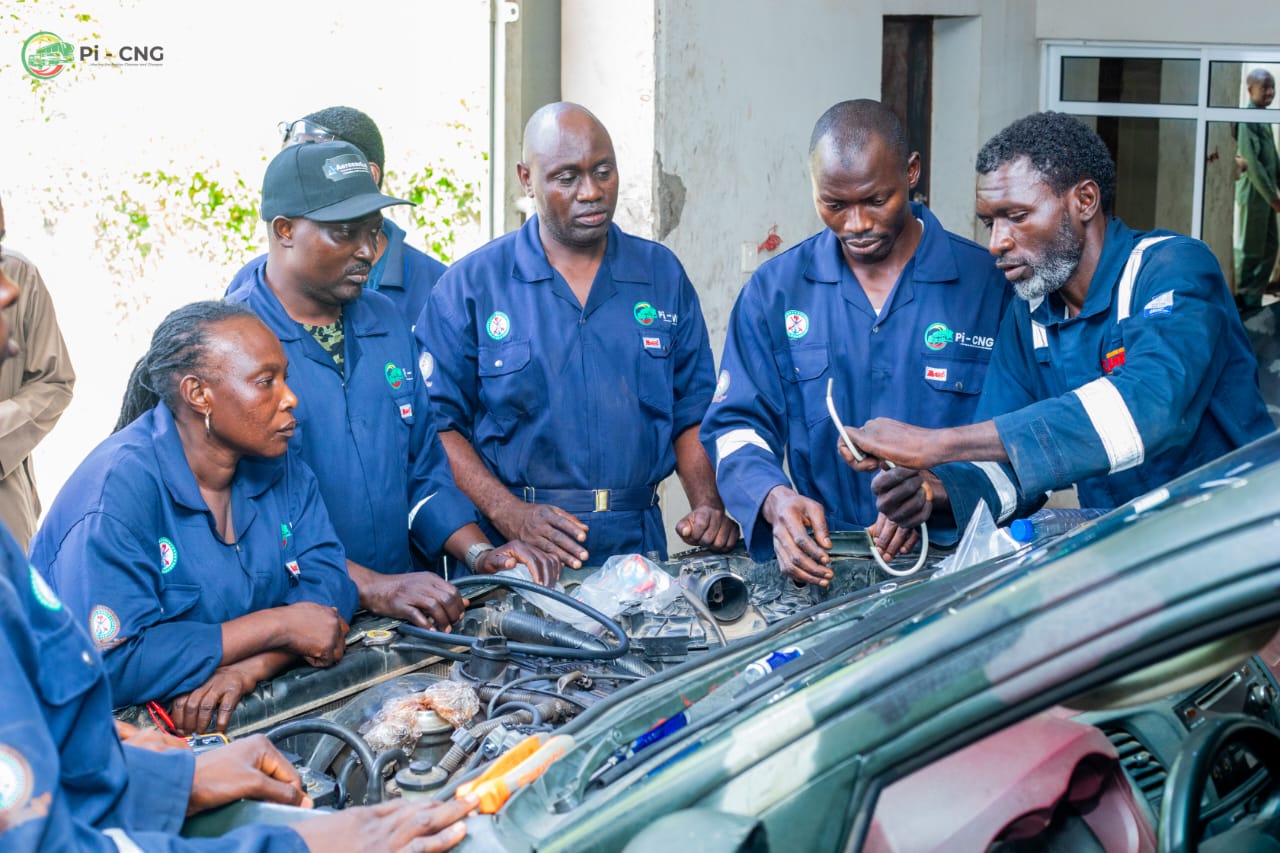
Over 10,000 direct and indirect jobs created across conversion centres, logistics, and the wider clean energy value chain, with specialised skills provided to 7,700 trained technicians.
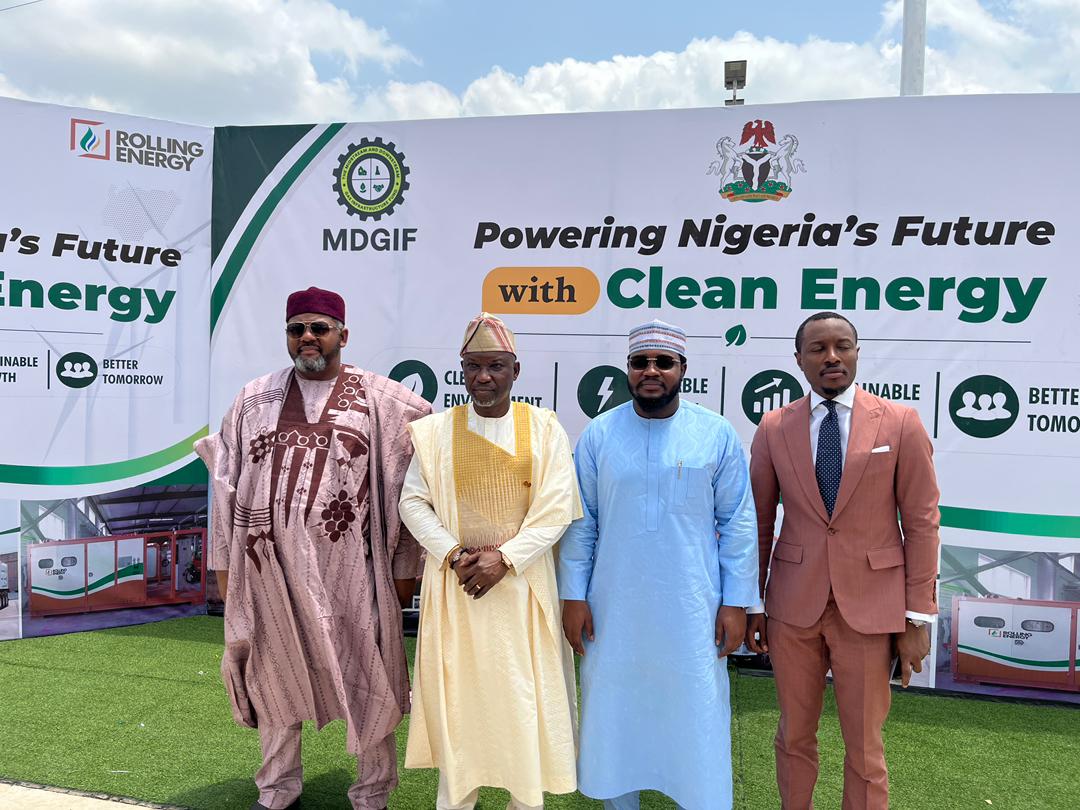
Significant private sector investment secured for AutoCNG infrastructure and the broader CNG value chain, catalysing Nigeria's clean energy economy.
Our Team
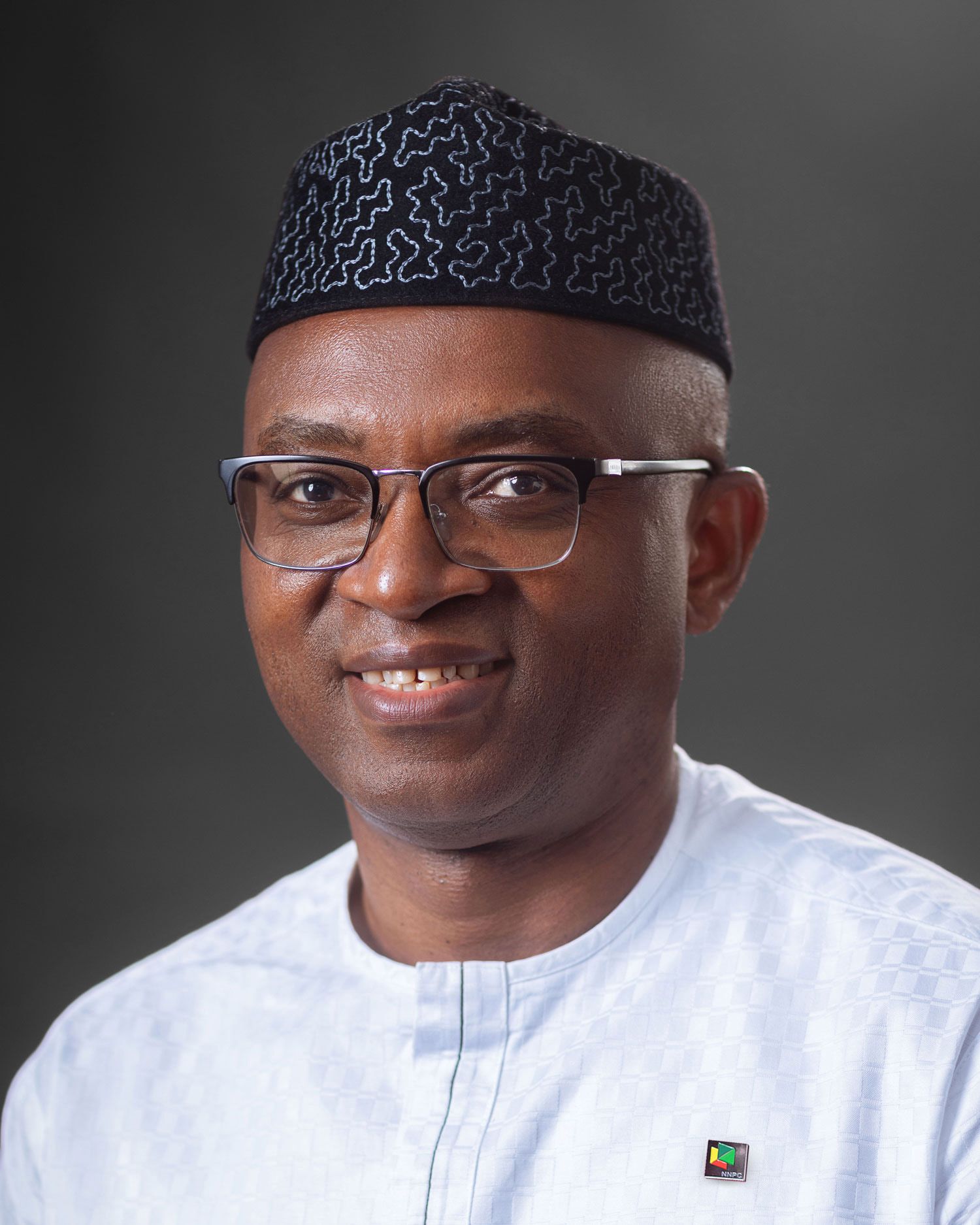
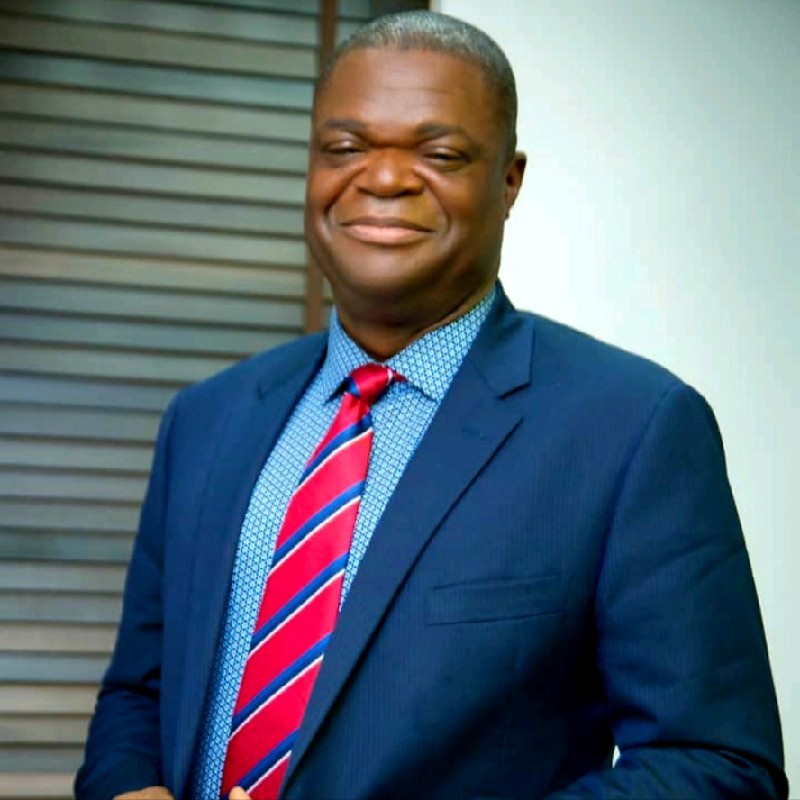
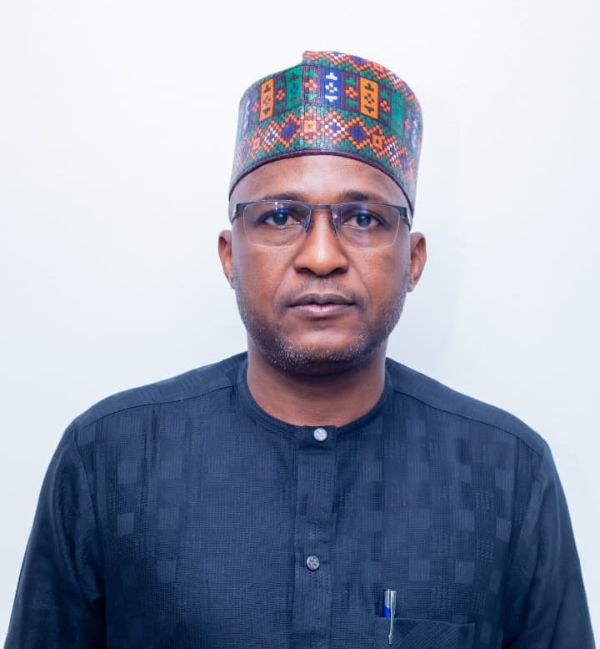
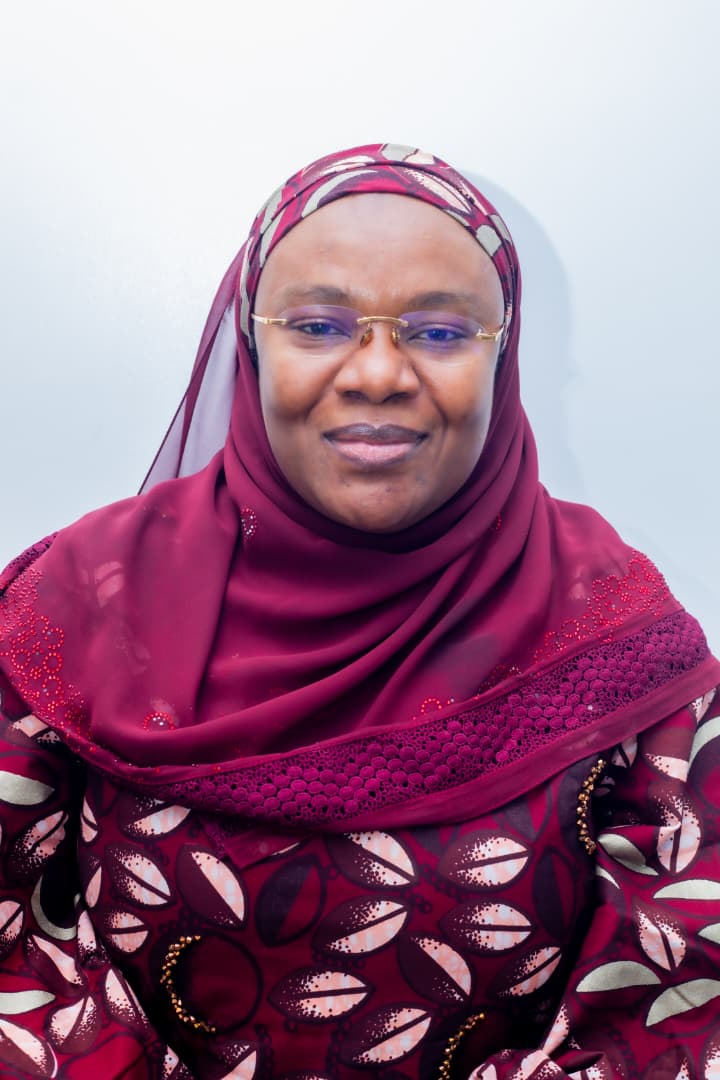
Experienced professionals driving the Presidential Initiative — combining deep sectoral expertise, public sector leadership, and a shared commitment to Nigeria's energy future.
Presidential Mandate
Pi-CNG & EV is a flagship delivery vehicle for President Bola Ahmed Tinubu's Renewed Hope Action Plan — directly delivering on the commitment to transform Nigeria's transport energy mix, create mass employment, and stimulate sustainable economic growth.
The Initiative operates within a clearly defined results framework, with key performance indicators mapped directly to the Renewed Hope Action Plan's targets for energy, economic relief, and job creation.
100,000+ vehicles converted; 40 EV buses launched — reducing national fuel expenditure and emissions.
Over 10,000 direct and indirect jobs created across conversion centres and the energy transition value chain.
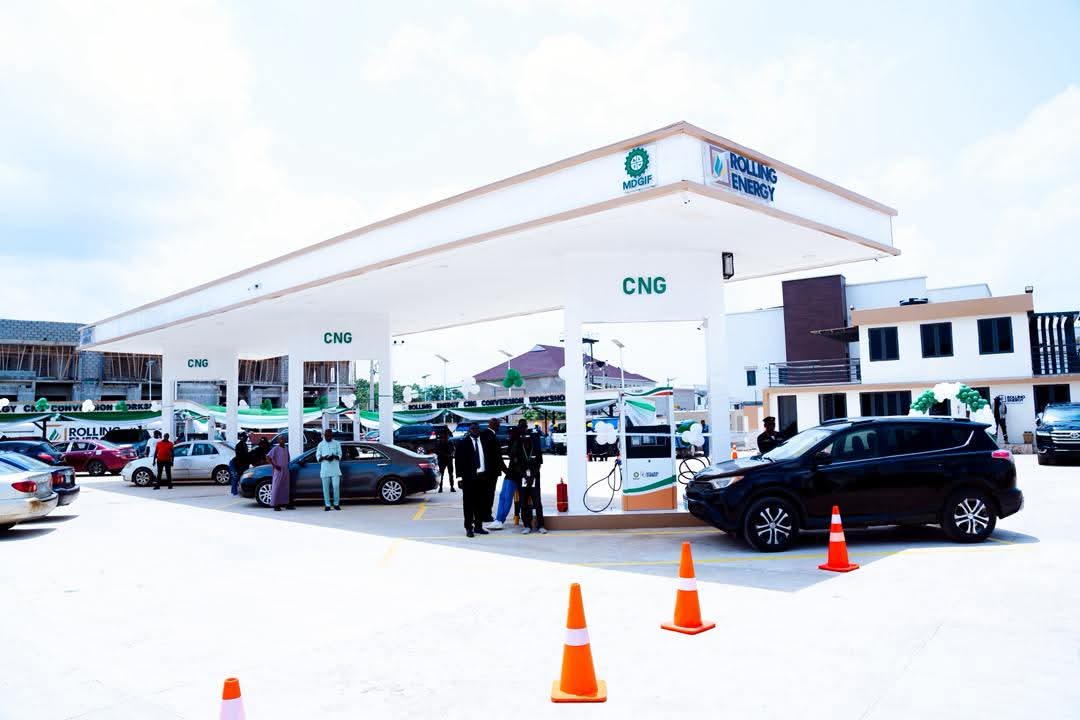
75 refuelling stations across 20 states; 337+ conversion centres established nationwide.
Looking Ahead
Building on proven results, the next phase will deepen Nigeria's clean energy transition — scaling the CNG Conversion Programme, extending infrastructure to underserved regions, accelerating EV integration, and achieving full NGVMS deployment.