1. What is Pi-CNG, and how does it work?
Answer: Pi-CNG (Presidential Compressed Natural Gas Initiative) is a government program in Nigeria that promotes the use of Compressed Natural Gas (CNG) as a cleaner, more efficient fuel for vehicles. CNG is stored under high pressure and used to power cars, buses, and trucks. Using CNG reduces fuel costs and lowers harmful emissions compared to petrol or diesel.
2. Which vehicles can use CNG under the Pi-CNG initiative?
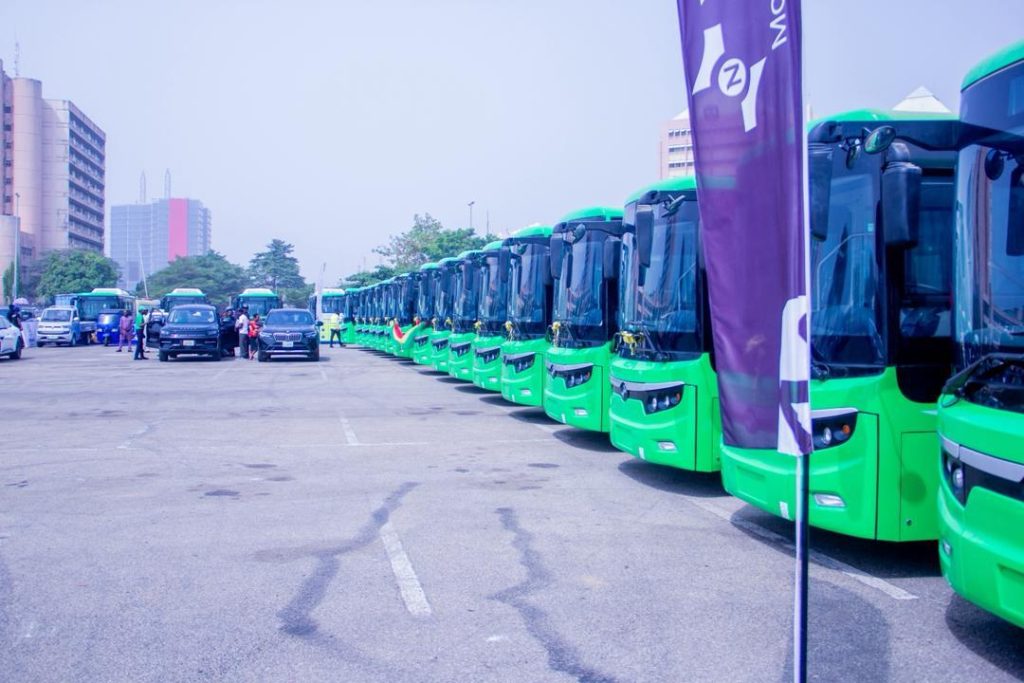
Answer: Most petrol or diesel vehicles can be converted to run on CNG, while some vehicles are designed to run on it directly from the factory. The program focuses on buses, trucks, taxis, and private cars, especially public transport vehicles, to make Nigerian roads cleaner and more affordable for transport operators.
3. How safe is CNG compared to petrol or diesel for transportation?
Answer: CNG is very safe when handled correctly. Vehicles and fuel stations under Pi-CNG follow strict safety standards. CNG is lighter than air, so in case of leaks, it disperses quickly, reducing fire hazards. Regular maintenance ensures safety for drivers and passengers.
4. What are the cost benefits of using CNG for personal or commercial vehicles?
Answer: CNG is cheaper than petrol or diesel, which means lower fuel expenses for drivers and transport businesses. Vehicles running on CNG also produce less wear and tear on the engine, saving on maintenance costs over time.
5. Does switching to CNG affect my vehicle’s engine or warranty?
Answer: No, as long as the conversion is done through approved Pi-CNG service centers and follows the manufacturer’s guidelines. Vehicles converted or manufactured for CNG use maintain engine efficiency and remain safe to operate.
6. How does Pi-CNG contribute to reducing air pollution and supporting clean energy?
Answer: CNG burns cleaner than petrol or diesel, producing fewer greenhouse gases and harmful particles. This helps reduce air pollution, improve public health, and supports Nigeria’s goal of cleaner, greener transportation nationwide.
7. What step is the Nigerian government taking to expand CNG infrastructure nationwide?
Answer: The government is building more CNG refueling stations, promoting CNG vehicle conversions, and working with transport companies to adopt clean energy. Pi-CNG also supports research, training, and safety standards to ensure the transition to CNG is smooth, affordable, and reliable.